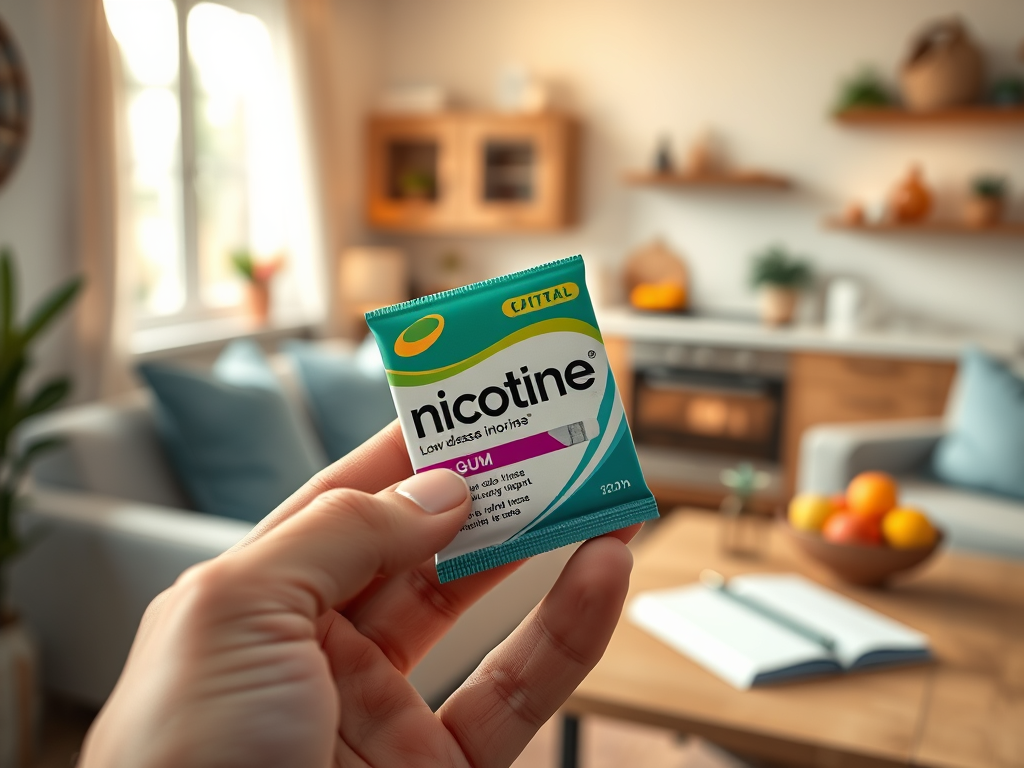
There’s a lot of noise about using low-dose nicotine (gum, lozenges, pouches) to blunt cravings or help with weight. Let me be clear: I’m not selling a magic trick. But for some women, nicotine can be one tool. It should be used carefully and briefly. This toolbox also includes food changes, mindset work, and support. Below I’ll walk through what it can do. I’ll describe what it won’t do. I will explain the real risks. I’ll discuss how to consider it thoughtfully.
What nicotine does in the body — short version
Nicotine affects brain pathways tied to reward and appetite. In plain terms: it can make some people feel less hungry, and there’s lab and animal evidence that it can shift how the body uses fuel and reduce food intake. That can translate to fewer cravings or a smaller appetite for some people. PMC+1
What it’s NOT
It’s not a replacement for a healthy plan. Nicotine won’t fix stress, trauma, or the emotional reasons you reach for food. It’s also not a proven, long-term weight-loss medication. Evidence is mixed and limited — some studies suggest short-term appetite effects, but using nicotine solely to lose weight is not a clinically established strategy. Medical News Today
Who might consider it (and why)
Some women who’ve tried everything else—who wrestle with constant cravings or sugar-driven binge cycles—report nicotine helps them gain enough control to build healthier habits. When cravings quiet, it’s easier to eat protein-and-fat meals, sleep better, and practice new routines. That “breathing room” can be huge.
If someone is thinking about this, the safest route is using FDA-approved nicotine replacement products (gum or lozenge) per label, ideally with clinician input. These products exist to be used safely — follow instructions and limits on maximum daily use. FDA Access Data+1

Real risks you need to know
- Addiction potential. Nicotine is addictive. Even over-the-counter products can lead to dependence if used long term.
- Side effects. Nausea, heartburn, hiccups, jitteriness, and trouble sleeping are common with lozenges or gum. If you get palpitations, dizziness, or chest pain, stop and call a clinician. Cleveland Clinic+1
- Medical warnings. Don’t use nicotine products if you’re pregnant or breastfeeding unless your clinician says it’s necessary, and be cautious with cardiovascular disease or uncontrolled high blood pressure. Check medications — nicotine can interact with certain drugs. NCBI+1
How to approach it practically (if you’re curious)
- Talk with your clinician first. This is non-negotiable if you have heart disease, are on meds, are pregnant, or breastfeeding.
- Use an approved product and follow the label. If you choose gum or lozenges, start with the lowest effective dose and don’t exceed recommended daily limits. Consider a short, time-limited trial (think 2–8 weeks) rather than open-ended use. FDA Access Data
- Pair it with a plan. Don’t use nicotine as a bandaid. Combine it with protein-forward meals. Add stress tools, sleep strategies, and support. When cravings ease, you’re building habits that last. I can help you with this
- Watch for side effects and dependence. If cravings for nicotine itself grow, or if you notice jitteriness or sleep loss, stop and reassess with your clinician.
- Have an exit strategy. Plan how you’ll taper or stop the nicotine so you don’t swap one dependence for another.
When it’s a bad idea
If you’re pregnant or breastfeeding, avoid using nicotine without medical supervision. If you have unstable heart disease or uncontrolled hypertension, you should also avoid it. After a recent heart event, refrain from nicotine use without a doctor’s guidance. Also, if using nicotine feels like a way to avoid emotional work, such as grief, stress, or loneliness, it’s a sign to add coaching or counseling. Choose these options instead of leaning only on a substance.
Final, gentle reality check
Low-dose nicotine can help some people quiet cravings long enough to build better habits. But it’s a tool, not the solution. The safest path is to follow medical guidance. If approved, conduct a short trial. Have a plan that includes nutrition, movement, sleep, and support. The goal isn’t nicotine dependence — it’s freedom from the cycles that have kept you stuck.
If you want to explore this thoughtfully, I can help you weigh pros and cons. Together, we can build a short, supervised plan. This plan pairs nicotine, if appropriate, with habit work and coaching. My coaching program includes practical, compassionate steps for cravings and real-life accountability—learn more at https://kmweightloss.com/programs.
You deserve tools that are safe, sensible, and fit your life. If nicotine is part of that conversation, let’s talk about it with care.
xoxo -Coach Monica💚
PS : a few videos you can watch about low-dose nicotine and its possible benefits. Always view with healthy skepticism. Run anything medical by your clinician.
- Andrew Huberman — “How Nicotine Impacts Your Brain & Enhances Focus” (clear, science-focused overview). YouTube
- Lex Fridman / Huberman clip — quick discussion on nicotine gum/pouches: benefits vs risks. YouTube
- The Human Upgrade / Dave Asprey — episode on low-dose nicotine and how some people use it to blunt cravings (practical perspectives). Facebook
- MIND study / transdermal nicotine overview — lecture about research into nicotine for cognitive uses (longer, researchy). YouTube
- NYU Langone / clinician talk — “The Truth about Tobacco and Nicotine Replacements” (balanced take on benefits, risks, and quitting). YouTube
- Dr. Bryan Ardis — longer talk where he discusses nicotine as a therapeutic agent (controversial; not mainstream — watch critically and compare to peer-reviewed science). Rumble+1
Quick safety reminders: don’t use nicotine if you’re pregnant or breastfeeding. Avoid it if you have unstable heart disease. Do not use it if you have uncontrolled high blood pressure without medical advice. Nicotine can be addictive and has side effects — if you’re curious, talk it over with your clinician first.
 THE KETO IDENTITY
Leave a comment